Fireproof Steel Door Ultimate Compliance Guide: Essential standards, certified safety ratings, and expert installation tips. Ensure building code adherence with tested steel core construction.
Key Takeaways
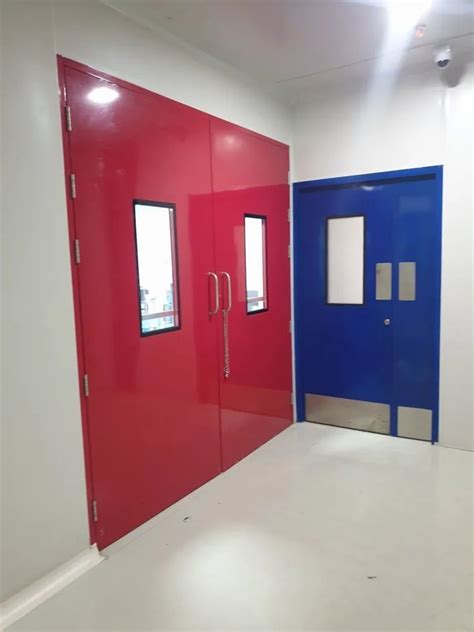
Understanding fireproof steel door compliance is essential for building safety. This section summarizes the critical points covered in this guide, providing a quick reference to the most important aspects. Fireproof steel doors are governed by specific standards and rigorous testing protocols, typically outlined by organizations like Underwriters Laboratories (UL) or local building codes. Crucially, certified safety ratings, such as fire resistance durations (e.g., 20, 45, 60, 90 minutes), are non-negotiable indicators of a door’s proven performance under fire conditions. The inherent strength and stability of steel core construction significantly contribute to a door’s ability to maintain integrity during a fire event. Proper installation by qualified professionals is paramount, as even the highest-rated door fails if incorrectly fitted.
“Fire door compliance begins with understanding that certification labels are legal documents, not optional accessories.”
Meanwhile, adherence to regular fire door testing requirements ensures ongoing functionality and compliance with building codes. Selecting the right certified fire door involves matching the specific fire rating and hardware to the application and local regulations. Finally, maintaining fireproof door integrity requires a consistent schedule of inspections and prompt repairs to address any damage or wear that could compromise performance during an emergency.
Fireproof Steel Door Standards Explained
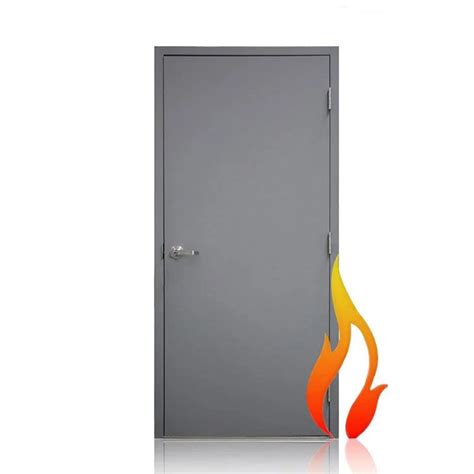
Understanding the specific standards governing fireproof steel doors is fundamental to ensuring compliance and safety. These standards, established by recognized bodies like the National Fire Protection Association (NFPA) and Underwriters Laboratories (UL), define critical performance requirements. Primarily, they mandate the door’s ability to withstand fire exposure for a specified duration, commonly rated as 20, 45, 60, 90, or 180 minutes. This fire resistance rating indicates the period during which the door assembly, including the frame, hardware, and seals, must prevent the passage of flames and significantly limit heat transfer. Standards such as NFPA 80 detail installation requirements, while UL 10C outlines the rigorous testing procedures doors undergo to verify their rating. Furthermore, these regulations specify essential construction elements, including the use of certified fire-rated steel cores, the integration of intumescent seals that expand under heat to block gaps, and the inclusion of self-closing mechanisms with positive latching. Compliance hinges on selecting doors bearing the appropriate certification marks from accredited testing laboratories, confirming they meet the stipulated criteria for materials, design, and performance under fire conditions.
Understanding Certified Safety Ratings
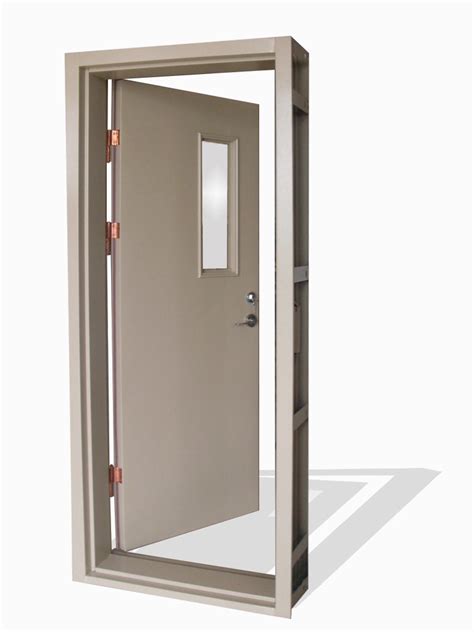
These ratings represent the verified performance level of a fireproof steel door assembly under specific fire exposure conditions, acting as a critical benchmark for compliance. Independent testing laboratories rigorously evaluate doors against established standards, such as UL 10C or NFPA 252, assigning ratings based on the duration the assembly successfully prevents fire spread and maintains structural integrity – commonly expressed as 20, 45, 60, 90, or 180 minutes. The rating certification encompasses the entire assembly, including the door leaf, frame, hardware, and seals, not just the steel core. Understanding the specific rating required is paramount, as building codes mandate different levels of fire resistance depending on the location within a structure, its occupancy type, and height. Selecting a door with the appropriate certified rating, clearly indicated on its label, is the fundamental step in meeting life safety regulations and ensuring compartmentation. This certification provides documented proof of the door’s tested capabilities, forming the basis for its acceptance by building inspectors and fire marshals.
Steel Core Construction Benefits
Following the examination of certified safety ratings, the structural advantages of steel core construction become pivotal for fireproof door performance. Steel cores inherently resist deformation under intense heat, maintaining door integrity significantly longer than timber or composite alternatives. This dimensional stability prevents warping that could compromise sealing effectiveness during fire incidents. Additionally, steel’s high melting point creates a critical thermal barrier, delaying heat transfer to protected areas and aligning with fire resistance duration requirements.
Key structural benefits include:
| Property | Functional Advantage | Compliance Impact |
|---|---|---|
| Thermal Conductivity | Slows heat transmission through door assembly | Meets T-rating requirements |
| Compressive Strength | Resists structural collapse under fire load | Supports integrity duration standards |
| Non-combustibility | Eliminates fuel contribution to fire | Exceeds material combustibility tests |
| Corrosion Resistance | Maintains performance in humid environments | Ensures long-term code compliance |
These material properties directly contribute to achieving certified fire ratings discussed earlier, while forming the physical foundation for proper installation. The rigidity of steel cores facilitates precise alignment during fitting, which we’ll address in subsequent installation guidelines. This structural reliability ultimately enables consistent adherence to building codes throughout the door’s operational lifespan.
Essential Installation Tips Guide
Proper installation is paramount to realizing the full protective potential of a fireproof steel door. Even the highest-rated door assembly will fail if not installed correctly according to manufacturer specifications and relevant building codes. Begin by ensuring the rough opening is plumb, level, and square, constructed with a fire-rated frame compatible with the specific door model. The chosen fire-rated hardware – hinges, closer, latching mechanism – must bear the same certification listing as the door and frame. Precise clearance around the door leaf is critical; typically, gaps between the door and frame should not exceed 3/8 inch at the top and sides, and 3/4 inch at the bottom. Crucially, intumescent seals must be installed as specified, completely surrounding the door leaf within the frame or door edge, and remain unobstructed. Relying on certified installers experienced with fireproof steel door systems is highly recommended to guarantee all components function cohesively under fire conditions.
Fire Door Testing Requirements
Rigorous testing protocols form the foundation of reliable fireproof steel door performance. These doors undergo standardized laboratory evaluations designed to simulate real-world fire conditions and measure their ability to withstand intense heat and flames. Key standards governing these tests include ASTM E119 or UL 10C, which assess the door assembly’s capacity to maintain its structural integrity (preventing flame passage), provide insulation (limiting heat transfer), and control radiation emission for the specified duration. Tests are conducted for designated time periods, commonly 20, 45, 60, or 90 minutes, corresponding to the fire-resistance rating the door aims to achieve. During these evaluations, the entire assembly – including the door leaf, frame, hardware, and any necessary seals or glazing – is subjected to controlled furnace exposures. Successful passage of these demanding tests, verified by independent third-party agencies like Underwriters Laboratories (UL) or other nationally recognized testing laboratories (NRTLs), is mandatory before a fire door can receive its certified fire-resistance rating. This certification provides the objective evidence required for building code compliance.
Ensuring Building Code Adherence
Compliance with building codes is non-negotiable when specifying and installing fireproof steel doors. These regulations, often based on model codes like the International Building Code (IBC) or National Fire Protection Association (NFPA) standards, mandate specific fire resistance ratings, typically expressed in minutes (e.g., 20, 45, 60, 90, or 180 minutes), based on the occupancy type, building height, and location within the structure. Simply selecting a door with the correct certified rating, however, is only the starting point. Adherence requires verifying that the entire assembly – including the door leaf, frame, hardware, and any necessary seals or glazing – is listed and approved together for that specific rating by a recognized testing laboratory such as UL or Intertek. Furthermore, local building departments may have amendments to model codes, making consultation with authorities having jurisdiction (AHJ) essential early in the planning process. Proper installation per the manufacturer’s listings and certified installation instructions is equally critical; even a certified door assembly can fail to meet code requirements if installed incorrectly, potentially compromising the fire barrier integrity and occupant safety. Maintaining accessible documentation of the door’s certification and installation details is vital for inspections and ongoing compliance verification.
Certified Fire Door Selection
When choosing fireproof steel doors, verification of certification is non-negotiable. Reputable manufacturers provide doors tested by accredited laboratories such as UL or Intertek, with certification labels permanently affixed to the door leaf and frame. These markings indicate compliance with specific fire resistance durations—typically 20, 45, 60, or 90 minutes—as validated under standardized furnace tests. Beyond fire ratings, examine documentation for smoke seal integrity and structural load-bearing capabilities during fire exposure. Third-party certification bodies like FM Approvals or Warnock Hersey offer online verification portals where specifiers can confirm active certification status using unique product codes. Building inspectors routinely reject installations lacking visible, unaltered certification labels, making thorough verification during procurement essential for compliance. Always cross-reference certification details with local building code requirements for occupancy classifications to avoid costly retrofits.
Maintaining Fireproof Door Integrity
Ensuring the long-term effectiveness of any fireproof steel door hinges on a consistent, proactive maintenance regimen. Fire doors are dynamic safety components; their ability to function as designed during an emergency depends entirely on their operational integrity between inspections. Regular visual checks, ideally every six months, are essential. These inspections should focus on verifying that doors close fully and latch securely without binding against the frame or floor. Examine all hardware components – hinges, latches, closers, and exit devices – for signs of wear, corrosion, or damage that could impede function. Crucially, inspect the integrity of the fire door seals and gaskets. These intumescent materials expand under heat to seal gaps, but if they are damaged, painted over, or missing, their ability to maintain the fire barrier continuity is compromised. Never compromise the door assembly by making unauthorized modifications, such as drilling holes for new hardware or adding louvers, as these can void the fire-resistance rating. Annual functional testing by a qualified professional, documenting all findings and corrective actions, is vital for compliance and ensures the door remains a reliable element of the building’s passive fire protection system. Neglecting these steps can render even the highest-rated fire door ineffective when it matters most.
Conclusion
Ultimately, selecting and maintaining a compliant fireproof steel door is a critical investment in building safety and regulatory adherence. This guide has outlined the essential components – from understanding rigorous standards and certified safety ratings to appreciating the inherent benefits of robust steel core construction. Correct installation, guided by professional expertise, and adherence to verified testing requirements are fundamental to ensuring the door performs as designed during an emergency. Regular inspections and diligent maintenance are not merely recommendations; they are necessary practices to preserve the door’s structural and fire-resistant integrity over its lifespan. Consistently meeting building code specifications requires ongoing attention to all these factors, ensuring that the fireproof steel door remains a reliable barrier, protecting lives and property by effectively compartmentalizing fire and smoke.
Frequently Asked Questions
How long do fireproof steel doors typically last?
With proper maintenance and regular inspections, quality fireproof steel doors can remain effective for 20 years or more. Environmental factors and usage frequency impact longevity.
Can existing non-fire-rated doors be upgraded to meet fire codes?
No, retrofitting standard doors to achieve certified fire resistance is generally not possible or compliant. Fire ratings require specific tested assemblies – core construction, seals, frame, and hardware must be certified together.
What maintenance is crucial for maintaining a door’s fire rating?
Essential maintenance includes checking door closers for proper operation, ensuring no damage to the steel skin or core, verifying intumescent seals are intact and unobstructed, and confirming latching mechanisms function correctly. Annual inspections are recommended.
What’s the difference between a 20-minute, 45-minute, 60-minute, and 90-minute fire rating?
These ratings indicate the minimum duration the door assembly has been tested to withstand a standard fire exposure while preventing fire spread and maintaining structural integrity. Required ratings depend on the specific building code application (e.g., wall rating, occupancy separation).
How can I verify if a fire door was installed correctly?
Confirm the installer followed the manufacturer’s listing and installation instructions precisely. Look for the permanent label on the door edge, ensure correct gaps (typically ≤ 3/16″ at sides/top, ≤ 3/4″ at bottom), proper hardware, and functional automatic closing. Third-party inspection post-installation provides verification.