
Essential guide to selecting, installing, and maintaining fire rated wood doors. Understand fire ratings, building code compliance, and balancing safety with aesthetic design for modern structures. Key considerations for architects and builders.
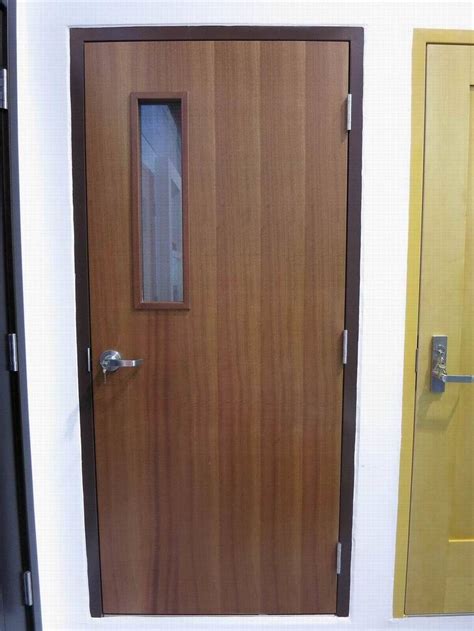
Key Takeaways
Fire rated wood doors serve as critical barriers in modern building safety systems, integrating fire resistance with architectural design. Understanding core concepts ensures informed decision-making throughout specification, installation, and maintenance phases. Key considerations include:
| Rating Duration | Typical Applications | Testing Standard Reference |
|---|---|---|
| 20 minutes | Interior room separations | NFPA 80 Section 5.2 |
| 45/60 minutes | Corridors, residential units | UL 10C |
| 90+ minutes | Stairwells, high-risk zones | BS 476-22 |
“Fire door ratings directly correlate with compartmentalization effectiveness. Architects must match duration ratings to occupancy hazards during schematic design.” – International Fire Consultants Association Bulletin
Tip: Request third-party certification documents before purchasing fire rated wood doors to validate compliance with local jurisdiction requirements.
Selection criteria extend beyond fire ratings to include smoke control capabilities, hardware compatibility, and annual inspection protocols. Builders should coordinate with fire marshals during installation to address sealing details around frames, which significantly impact performance. Maintenance logs documenting hinge inspections and latch functionality prove essential during occupancy certification renewals. Balancing these technical requirements with aesthetic preferences demands early collaboration between design teams and manufacturers.
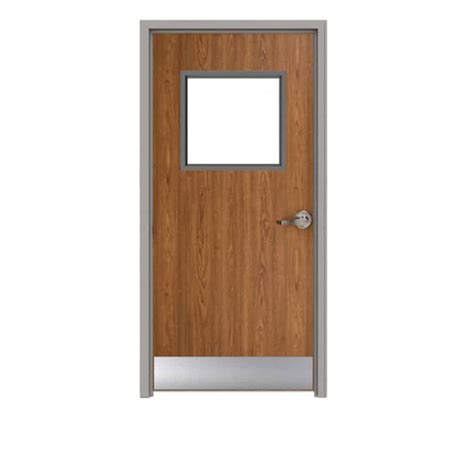
Understanding Fire Door Ratings Basics
Fire door ratings are fundamental specifications indicating how long a door assembly can withstand fire exposure under standardized testing conditions. These ratings, expressed in minutes (such as 20, 45, 60, 90, or 180 minutes), signify the duration the door is designed to resist flame penetration and excessive heat transfer. The rating is determined through rigorous tests conducted according to established standards like those from UL (Underwriters Laboratories) or NFPA (National Fire Protection Association). These tests evaluate the door’s ability to maintain integrity, prevent the passage of flames and hot gases, and often include criteria for limiting temperature rise on the unexposed surface. For fire rated wood doors, achieving a specific rating involves careful construction, including the core materials, seals (intumescent strips that expand under heat), and the hardware used. Understanding these ratings is the critical first step in selecting the appropriate fire rated wood doors for a given location within a building, as different areas often require different levels of protection based on occupancy and building design. This knowledge directly informs the choices architects and builders make regarding performance requirements.
Fire Rated Wood Doors Selection Guide
Selecting appropriate fire rated wood doors requires careful consideration beyond basic aesthetics. The fundamental starting point is verifying the specific fire resistance rating required for each opening location, dictated by building codes and the compartmentalization strategy. Always confirm this rating aligns precisely with the door’s certification label from a recognized testing laboratory (e.g., UL, Warnock Hersey). Beyond the rating designation, scrutinize the door’s core materials and construction; different wood species, core types (mineral, solid wood block), and veneers impact both performance and appearance. Simultaneously, evaluate the compatible fire-rated door hardware – hinges, closers, latches, and seals must carry matching fire ratings and be third-party certified for use with the specific fire rated wood door assembly. Ensuring all components are listed and compatible is non-negotiable for achieving the intended fire protection performance and meeting regulatory compliance standards.
Meeting Building Code Requirements
Compliance with local and national building codes is non-negotiable when specifying fire rated wood doors. These regulations, often based on model codes like the International Building Code (IBC), dictate the minimum required fire resistance rating (e.g., 20, 45, 60, or 90 minutes) based on the door’s location within the structure, the building’s occupancy type, size, and height. Beyond selecting the appropriate rating, codes mandate that all fire rated wood doors bear permanent, legible labels from accredited testing agencies (such as UL or WH), verifying their performance meets the stated rating. Furthermore, installation must strictly adhere to code-prescribed clearances, typically requiring specific gaps around the door and frame, along with certified fire door hardware, including self-closing devices and latching mechanisms. Properly installed firestop seals at the perimeter are equally critical to prevent smoke and flame passage. Ignoring these detailed requirements compromises the entire fire protection system and risks significant liability.
Wood Door Aesthetics and Safety Balance
Integrating fire rated wood doors seamlessly into modern architectural designs requires careful consideration of both visual appeal and critical safety performance. While the fundamental purpose is life safety and property protection, contemporary projects demand that these essential barriers do not compromise the building’s aesthetic vision. Fortunately, modern manufacturing techniques offer significant flexibility. Architects can specify a wide range of wood species, veneers, laminates, and Class A finishes to match interior design schemes, from minimalist to traditional, ensuring the doors complement rather than detract from the space. Key to achieving this balance is selecting doors where fire-resistant cores are paired with high-quality surface materials that meet flammability standards. Features like concealed intumescent seals within the door edge or frame, and carefully designed door hardware that complements the finish, allow the safety elements to blend discreetly. Ultimately, the most successful installations prove that robust fire protection and sophisticated design are not mutually exclusive goals for fire rated wood doors in modern construction.
Proper Installation Techniques Explained
Correct installation is fundamental for fire rated wood doors to perform as designed during emergencies. The process begins with verifying that the door frame is plumb, level, and securely anchored to structural supports, as misalignment can compromise seal integrity. All hardware—including hinges, latches, and automatic closers—must be fire-rated components installed according to manufacturer specifications and NFPA 80 guidelines. Crucially, perimeter gaps require meticulous attention; typical allowances are 3mm at the top and sides, expanding to 10mm at the bottom, with intumescent seals expanding under heat to block smoke penetration.
Furthermore, fire-rated door frames demand firestop systems where they interface with walls, using mineral wool or fire-resistant foam to maintain compartmentalization. Professional verification through operational testing—checking smooth closing, latching, and unobstructed swing path—is essential before final sign-off. Since improper installation voids certifications, many jurisdictions mandate inspections by certified fire door inspectors prior to occupancy permits. These precision techniques directly influence the door’s ability to contain flames and toxic gases, underscoring why installation quality affects both immediate safety compliance and long-term maintenance requirements.
Essential Maintenance for Fire Protection
Beyond installation, consistent upkeep is paramount for ‘fire rated wood doors’ to perform as designed during an emergency. Regular visual inspections should check the integrity of intumescent seals around the door edges and frame; these seals expand under heat, sealing critical gaps. Ensure all hardware, including hinges, latches, and closers, operates smoothly and without binding, as a door that doesn’t latch properly cannot contain fire and smoke. Verify that clearances between the door leaf and frame consistently meet the specified clearances, typically not exceeding 3/8 inch at the top and sides and 3/4 inch at the bottom. Accumulated dirt, paint, or physical damage can compromise the door’s fire resistance integrity. Establishing a documented schedule for professional inspection and maintenance, ideally annually, is a key responsibility for building owners and facility managers to uphold long-term safety compliance.
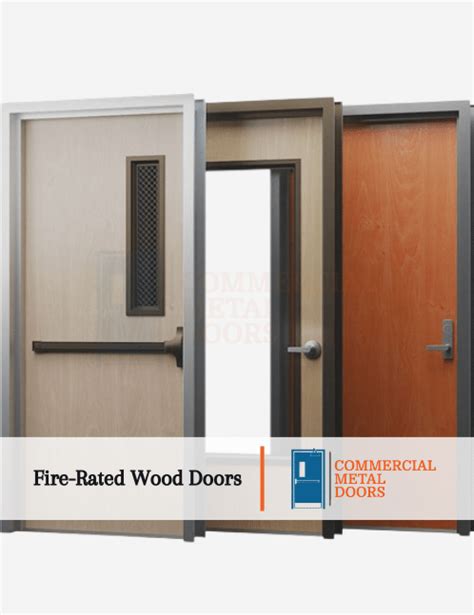
Architect and Builder Key Considerations
Selecting and integrating fire rated wood doors effectively demands careful coordination between architects and builders from project inception. Architects must precisely detail the required fire resistance ratings (e.g., 60, 90 minutes) and specific door configurations within the specification documents, ensuring these choices align perfectly with the building’s occupancy classification and compartmentalization strategy dictated by local and national building codes. Builders, in turn, are responsible for procuring doors carrying valid third-party certification labels matching the architectural specifications exactly, verifying the certification is current and traceable. Crucially, builders must oversee the certified installation process, ensuring the entire door assembly – including the frame, seals, hinges, and closing mechanism – is installed strictly according to the manufacturer’s listed instructions and the tested design, as deviations can compromise the fire rating. Furthermore, clear documentation, including certification details and installation records, must be meticulously maintained for post-installation inspections and for facilitating future maintenance, ensuring ongoing adherence to safety standards while respecting the original design intent.
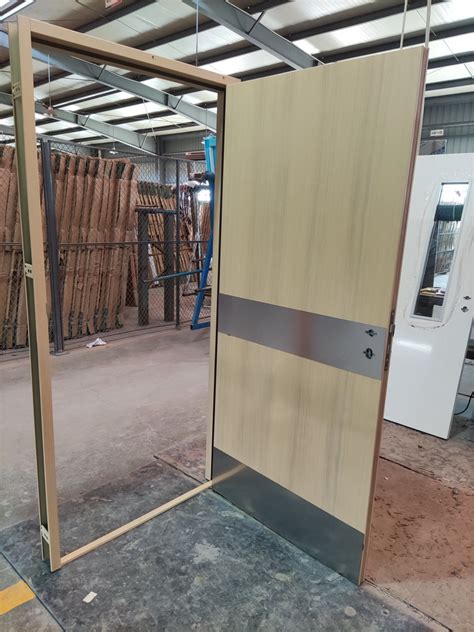
Ensuring Long-Term Compliance Standards
Maintaining compliance for fire rated wood doors extends far beyond the initial installation. Regular, scheduled inspections form the cornerstone of long-term adherence to building codes and fire safety regulations. Facility managers and building owners must establish documented routines verifying that doors close properly, seals remain intact, latches function correctly, and clearances meet specifications. These periodic checks, often mandated annually or semi-annually depending on jurisdiction and building type, are essential for identifying wear or damage that could compromise performance during a fire event.
Furthermore, meticulous record-keeping is non-negotiable. Detailed logs of all inspections, maintenance activities, repairs, and replacements must be maintained. This documentation provides crucial evidence of ongoing compliance efforts and is typically required during official audits by fire marshals or building inspectors. Staying informed about updates to local and national building codes and fire safety standards is equally vital, as requirements can evolve. Engaging qualified fire door inspectors periodically provides an expert assessment, ensuring the continued integrity of fire rated wood doors and validating that the entire system meets the necessary compliance benchmarks throughout its operational lifespan.
Conclusion
The integration of fire rated wood doors represents a critical synthesis of regulatory compliance and architectural vision in contemporary construction. These specialized barriers provide essential compartmentalization during emergencies while meeting modern design expectations through customizable finishes and profiles. Their effectiveness hinges on meticulous adherence to the interdependent principles explored throughout this guide—from accurate rating interpretation and code-aligned specification to precision installation and disciplined maintenance protocols. For architects and builders, this demands ongoing collaboration with certified suppliers and fire safety professionals to verify product certifications and installation validity. When executed holistically, fire rated wood doors become enduring assets that preserve structural integrity without compromising aesthetic objectives. Their continued performance ultimately relies on treating fire protection as a dynamic process rather than a one-time compliance checkpoint, ensuring buildings adapt safely to evolving occupancy requirements and regulatory landscapes.
Frequently Asked Questions
How often should fire rated wood doors be inspected?
Regular inspections, typically every six months, are essential. Check for damage to seals, hardware functionality, and ensure the door closes fully against the frame latch.
Can the finish on fire rated wood doors be altered?
Yes, but only with compatible, non-combustible finishes specifically approved for use on fire rated assemblies. Using unapproved paints or varnishes can compromise the fire rating.
Are fire rated wood doors suitable for residential buildings?
Absolutely. Fire rated wood doors are commonly used in multi-family dwellings, garages adjoining living spaces, and other areas within homes requiring rated separation, blending safety with residential aesthetics.
Does a thicker wood door automatically mean a higher fire rating?
Not necessarily. The fire rating depends on the specific construction, core materials (like mineral cores), and certified intumescent seals, not solely on door thickness. Always verify the label specifying the rating.
Who can install fire rated wood doors correctly?
Installation must strictly follow the manufacturer’s instructions and local building codes. Using experienced professionals familiar with fire door assemblies is highly recommended to ensure proper function and compliance.