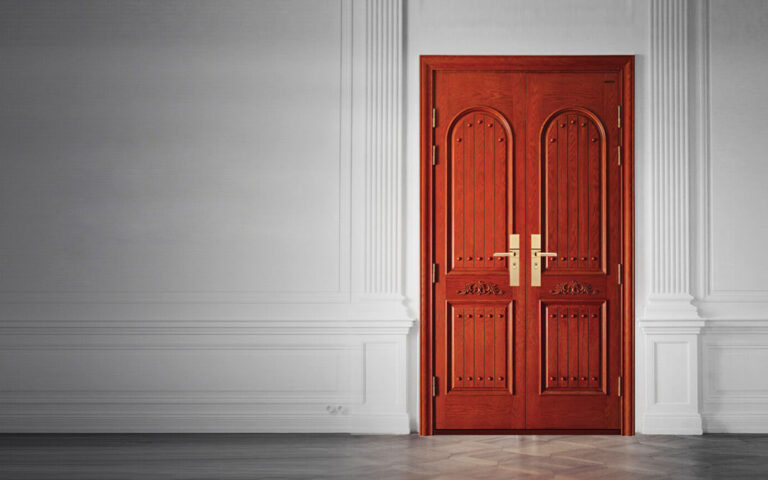
Discover essential factors when selecting fire rated wood doors. Learn about certifications, safety standards, and compliant designs to enhance building protection. Your complete guide to informed purchasing decisions.
Key Takeaways
Selecting appropriate fire rated wood doors requires understanding several fundamental aspects. First, recognize that fire ratings indicate specific resistance durations (typically 20, 45, 60, or 90 minutes) directly tied to building code requirements and occupancy types. Secondly, verifying certifications from recognized bodies like UL (Underwriters Laboratories) or Warnock Hersey is non-negotiable for ensuring the door assembly meets rigorous safety standards. Thirdly, while aesthetics are important, material selection must prioritize core integrity using compliant timber or mineral cores specifically designed for fire resistance. Furthermore, correct installation by certified professionals and adherence to strict maintenance protocols, including regular inspections of seals and hardware, are vital for sustained performance. Finally, informed purchasing involves sourcing from reputable suppliers who provide comprehensive documentation validating the door’s tested performance.
Always consult local building codes and a fire marshal early in the specification process to confirm the required fire rating and certification standards for your specific project.
Understanding Fire Door Ratings Explained
Fire door ratings are fundamental to understanding a door’s protective capability. These ratings, expressed in minutes (such as 20, 45, 60, 90, or 180), indicate the duration the door assembly has been tested to withstand fire exposure while maintaining its integrity and limiting the passage of flames and hot gases. This critical period allows for safe evacuation and helps compartmentalize a fire, preventing rapid spread. The rating is determined through rigorous standardized tests, primarily following protocols like ASTM E119 or UL 10C, which subject the entire door assembly – including the door, frame, hardware, and glazing if present – to intense heat and pressure simulations. It’s essential to match the required fire rating to the specific building code mandates for the location and occupancy type where the door will be installed. Higher ratings generally signify a door constructed with more robust materials and design features specifically engineered for extended fire resistance.
The table below summarizes common fire door ratings and their typical minimum tested duration:
| Fire Rating (Minutes) | Minimum Tested Duration (Hours:Minutes) | Primary Purpose |
|---|---|---|
| 20 | 0:20 | Limited fire barriers, some interior corridors |
| 45 | 0:45 | Horizontal exits, certain occupancy separations |
| 60 | 1:00 | Stairwell enclosures, corridor walls (common) |
| 90 | 1:30 | High-risk areas, vertical shafts, larger buildings |
| 180 | 3:00 | Critical fire barriers, high-rise core walls |
These ratings directly correspond to the door’s ability to perform its vital role in a fire scenario. Choosing the correct rating is the first step in ensuring the door meets the safety objectives defined by building codes and fire safety plans for the specific application. This understanding naturally leads to examining the certification standards that verify a door meets its claimed rating.
Key Fire Door Certification Standards
Understanding fire door ratings leads naturally to examining the certifications that validate them. Globally recognized certification bodies provide essential third-party verification that fire rated wood doors meet rigorous safety benchmarks. In North America, Underwriters Laboratories (UL) certification, particularly the UL 10C standard for fire testing of door assemblies, is fundamental. Look for labels indicating compliance with UL 10B or UL 10C for fire tests and UL 14B for positive pressure testing. In the United Kingdom and many Commonwealth countries, British Standards (BS 476 Part 22 or the newer BS EN 1634-1) are critical. Across the European Union, the CE mark accompanied by documentation proving compliance with EN 1634-1 under the Construction Products Regulation (CPR) is mandatory. Furthermore, adherence to NFPA 80: Standard for Fire Doors and Other Opening Protectives is crucial for installation and maintenance compliance in the US, often referenced by building codes. These certifications confirm that the door assembly, including the frame, hardware, and glazing (if present), has been tested to withstand fire exposure for the duration specified in its fire resistance rating. Selecting certified fire doors ensures the product has undergone independent scrutiny and meets established life-safety requirements.
Selecting Compliant Wood Door Materials
Beyond certification, the core materials themselves are fundamental to achieving fire resistance in wood doors. Compliant construction typically involves specific timber species known for density and stability, often combined with engineered wood products meeting strict performance criteria. The core is critical; solid lumber or specialized composite cores must resist charring and maintain structural integrity for the rated duration (20, 45, or 60 minutes). Manufacturers integrate fire-resistant mineral cores or intumescent seals within the door’s edges and around the lock block area. These seals expand dramatically when exposed to heat, sealing gaps effectively. It’s vital to verify that all materials used – including adhesives, veneers, and any laminates – comply with the relevant fire test standards referenced in the certification (such as UL 10C or NFPA 80). Material selection directly impacts the door’s ability to withstand the intense conditions of a fire test and perform as required in an actual event. Choosing doors built with these compliant materials ensures the assembly functions as a complete fire barrier.
Designing for Safety and Aesthetics
Beyond material selection, integrating fire rated wood doors successfully requires balancing essential safety features with desired visual outcomes. Modern advancements allow these critical safety components to complement architectural styles seamlessly. Fire-rated cores are now routinely clad in high-quality wood veneers, offering a wide range of species, grains, and stains to match interior design schemes, from traditional oak to contemporary walnut finishes. Crucially, safety elements like intumescent seals, vital for expanding during a fire to seal gaps, can be effectively concealed within the door edge or frame, maintaining clean sightlines. Thoughtful hardware selection is also key; robust, code-compliant hinges and closers are available in finishes that complement the door’s appearance and other fixtures. This integration ensures that fire doors enhance both the building’s safety profile and its overall aesthetic appeal without compromise. Careful planning ensures architectural continuity is maintained while meeting stringent fire protection requirements.
Proper Fire Door Installation Guidelines
Correct installation is paramount for fire-rated wood doors to perform as intended during an emergency. Engaging certified installers familiar with NFPA 80 requirements is strongly recommended. The door frame must be securely anchored to the surrounding wall structure using approved, listed hardware, ensuring no voids compromise the fire barrier. Precise alignment of the door within the frame is critical; hinges must be correctly mortised and securely fastened using all provided screws. The specified door closer, latch, and any necessary coordinator must be installed according to the manufacturer’s instructions and listing.
Maintaining exact gap tolerances around the perimeter of the door leaf – typically a maximum of 3/16″ at the top and sides, and 3/4″ at the bottom – is essential to restrict smoke and flame passage. Thresholds must be properly integrated if required. All required gasketing and intumescent seals should be correctly positioned and fully intact. Finally, the door must swing freely and close completely and securely from any position, latching automatically without binding. Rigorous adherence to these installation protocols forms the foundation for the door’s immediate and long-term fire-resistance integrity.
Maintaining Fire Door Integrity Over Time
Ensuring the ongoing effectiveness of fire rated wood doors requires a dedicated commitment to regular inspection and maintenance. These critical safety components, once correctly installed, must retain their ability to perform as designed throughout their service life. Establish a routine schedule for thorough checks, focusing on key elements such as the integrity of the door leaf and frame for any warping, cracks, or damage. Crucially, verify that the intumescent seals around the edges are fully intact, pliable, and free from paint or debris that could impede their expansion during a fire. Hardware functionality is paramount; test all latching mechanisms, hinges, and closing devices to confirm they operate smoothly and ensure the door fully engages with the frame without sticking. Pay close attention to the clearance gaps around the door perimeter, as excessive gaps exceeding the manufacturer’s specifications can compromise the door’s ability to contain smoke and flames. Address any observed issues, such as damaged seals, malfunctioning closers, or excessive gaps, promptly according to the manufacturer’s guidelines and relevant fire safety standards. Consistent, documented maintenance is not just best practice – it’s essential for preserving the certified fire resistance rating and overall building safety.
Making Smart Fire Door Purchase Choices
Selecting the right fire-rated wood door involves more than just identifying the required rating. It necessitates a diligent approach focused on verification and long-term value. Always procure doors from reputable suppliers with a proven track record in manufacturing and distributing compliant fire door assemblies. Request and scrutinize current third-party certification documentation for the specific door model and its components, ensuring it matches the fire resistance period you require. Evaluate the supplier’s ability to provide comprehensive installation guidance or certified installation services, as improper fitting significantly compromises performance. Consider the total lifecycle costs, factoring in the warranty period, expected maintenance needs, and the availability of compatible replacement parts. Finally, confirm that all hardware components specified for the door, including hinges, closers, and latches, are listed for use with that specific fire door assembly in the certification reports, ensuring the entire assembly remains compliant. This thorough vetting process safeguards your investment and building safety.
Conclusion
As we’ve explored throughout this guide, selecting the appropriate fire rated wood doors involves far more than just aesthetics. Understanding the critical interplay between fire ratings, stringent certification standards like those from UL or NFPA, compliant material choices, and meticulous installation is fundamental. These elements collectively form the bedrock of a door’s ability to perform its life-saving function during an emergency. The choices made directly impact building safety, occupant protection, and regulatory compliance. Ultimately, investing time to comprehend these factors empowers building owners, architects, and contractors to make truly informed decisions. This careful selection and ongoing maintenance ensure that fire rated wood doors provide reliable, long-term protection, seamlessly integrating safety with the desired architectural character for years to come.
FAQs
How do fire ratings translate to actual protection time?
Fire ratings (e.g., 20, 45, 60, 90 minutes) indicate the minimum duration the door assembly is tested to withstand fire exposure and prevent its spread, providing crucial time for evacuation and emergency response.
Can wood fire doors offer comparable protection to steel doors?
Yes, when properly constructed with certified cores (like mineral or treated lumber cores) and intumescent seals, modern fire rated wood doors achieve equivalent fire resistance ratings to steel doors, meeting stringent safety standards.
What certification marks should I look for on fire rated wood doors?
Always verify independent third-party certification labels, such as those from UL (Underwriters Laboratories), WH (Warnock Hersey), or other accredited bodies recognized in your jurisdiction. These labels confirm the door meets specific fire test standards.
How often should fire rated wood doors be inspected?
Regular inspections are mandatory for maintaining compliance. While specific codes vary, a thorough visual and functional check, including verifying seals and hardware operation, is recommended quarterly, with professional inspections typically required annually.
Do aesthetic choices on wood fire doors impact their safety rating?
No, incorporating finishes, veneers, or glazing does not compromise safety if the entire assembly, including all components, is tested and certified together as a complete unit to the required fire rating standard.